Brimstone
Carbon-negative Portland cement produced without CO2 emissions, California.
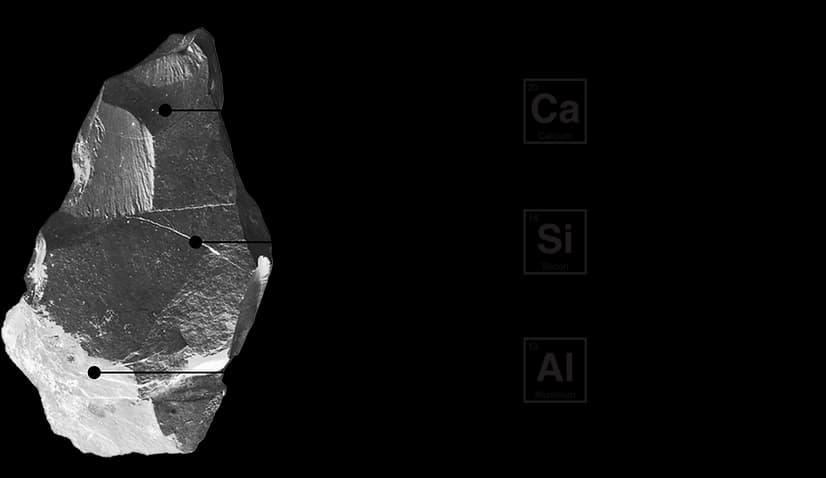
Brimstone is a US startup that has developed a process to manufacture Portland cement with a negative carbon footprint. Instead of limestone, it uses abundant, carbon-free calcium silicate rocks, thereby eliminating the emissions associated with limestone decomposition. Its technology produces clinker and supplementary cementitious materials (SCMs) from a single raw material and, during calcination, forms magnesium compounds that capture carbon dioxide, meaning the cement can potentially be carbon-negative. The resulting product meets the ASTM C150 standard for Portland cement and integrates into the existing supply chain without altering concrete performance. Brimstone aims to scale this method to decarbonise the cement industry and, additionally, produce metallurgical-grade alumina.
For tackling the "elephant in the room" of construction: cement chemistry. Its ability to produce cement that is structurally identical to Portland but uses calcium silicates (with no process CO₂) is the Holy Grail of industrial decarbonisation.
Chosen by Descarboniza. No company pays for what we say about it.
Go to their websiteNo disponible
Cemento Portland, SCM (Supplementary Cementitious Material)
Cemento Portland idéntico a convencionalcompatible con hormigón estándarSCM complementario.
There is no third-party verified Environmental Product Declaration for this material, so no carbon figure is published: neither self-declared nor estimated.
No
ASTM C150, investigación DOE
Claim your listing: add your EPD, stand out in the comparator and appear right where the technician chooses the material.
Upgrade your listingTechnical questions and answers
- What is the fire resistance of Brimstone?
- The declared fire performance of Brimstone is No disponible.
- Is Brimstone a carbon-negative material?
- Yes. The biogenic carbon stored in Brimstone exceeds its manufacturing emissions (A1–A3), according to its environmental documentation.
Values as declared by the manufacturer or its EPD. Always check the current EPD/technical sheet for project-critical calculations.