XLam
The only Australian CLT, manufactured with 100% renewable electricity and an EPD certifying a 45% lower footprint.
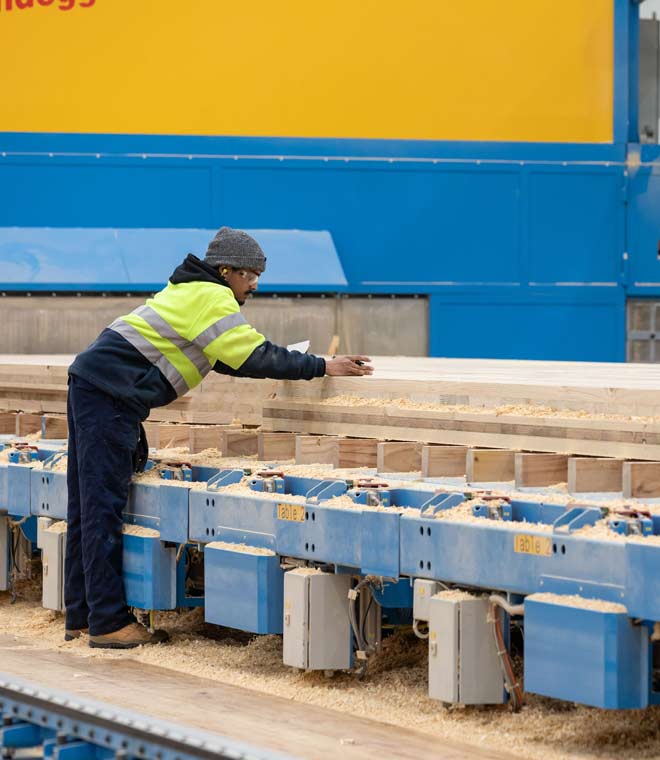
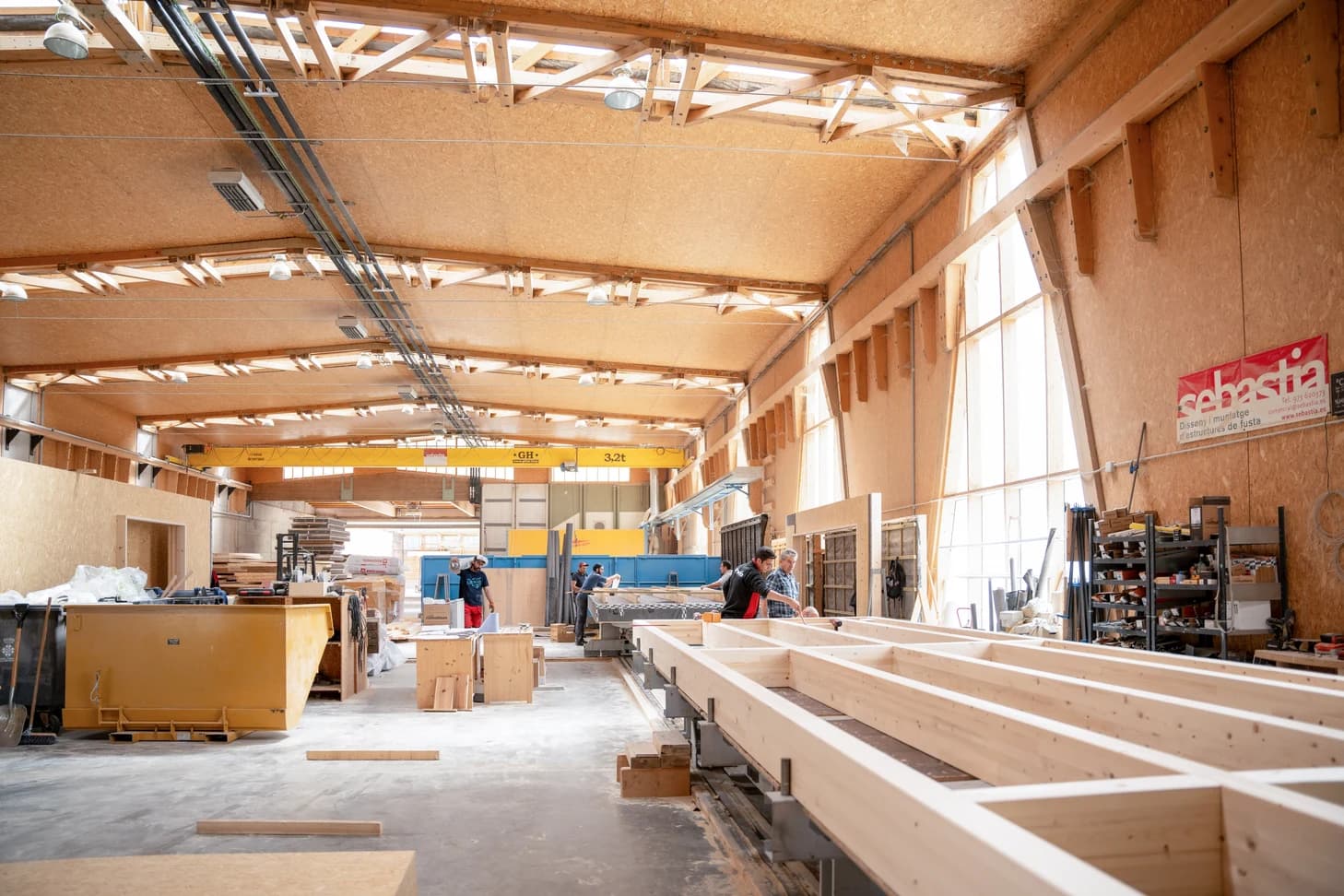
The only CLT manufacturer in Australia, with a plant in Wodonga (Victoria) since 2018 and a capacity of 60,000 m³ per year of plantation radiata pine panels, treated or untreated, in structural and appearance grades. Since January 2022 it has manufactured using 100% renewable electricity, which reduced the production footprint by 45%, from 447 to 248 kg CO2eq per cubic metre, according to its EPD published on EPD Australasia. It supplies walls, floors and roofs to mass timber projects in Australia and New Zealand.
Because its EPD demonstrates the effect of renewable electricity: the footprint of its CLT fell by 45% when it switched supply.
Chosen by Descarboniza. No company pays for what we say about it.
Go to their websiteEPD Australasia: 248 kg CO2eq/m³ con electricidad renovable (antes 447)
Claim your listing: add your EPD, stand out in the comparator and appear right where the technician chooses the material.
Upgrade your listingTechnical questions and answers
- What is the carbon footprint (GWP) of XLam?
- XLam declares a GWP (A1–A3) of -293 kg CO₂e/m³ according to its verified EPD.
- Does XLam have an Environmental Product Declaration (EPD)?
- Yes. XLam has a verified EPD (EPD-IES-0002326:002 (S-P-02326)) under EN 15804:2012+A1:2013 · PCR 2012:01 (EPD Australasia) — NO comparable con +A2.
Values as declared by the manufacturer or its EPD. Always check the current EPD/technical sheet for project-critical calculations.