Cork insulation: what to choose and why
Eleven cork manufacturers and only one with a verified environmental declaration we have been able to read. The other document on this list belongs to a lime mortar that lands here through a keyword. It is the worst ratio of any material guide we have written, and it belongs at the top: cork has an excellent environmental reputation and very few public numbers to back it.
This guide is for anyone insulating with cork who needs more than the material's reputation to justify it.
How we chose
We only feature cork with its own verified, valid environmental declaration that we have read. With one candidate, the list has a single pick on purpose: we would rather that than fill the gap with products whose footprint we cannot check.
The rest of the list is still useful. Several manufacturers publish conductivity and density without holding a declaration, and for sizing an insulation that is enough. What you can't do is take their footprint into a report.
Mind the unit: cork is usually declared per cubic metre, and a figure per square metre for the same material does not compare with it.
No company pays to appear here or to be picked. The selection is not for sale. How we measure →
Our picks
Compare the data
| Material | Footprint A1–A3 | Conductivity λ | Density | Verified EPD | Standard |
|---|---|---|---|---|---|
| Amorim Cork Insulation | -2040 kg CO₂e/m³ | 0,04 W/m·K | 100 kg/m³ | Yes · document | +A2 |
| Saint Astier | 1,89 kg CO₂e/m² | — | — | Yes · document | +A2 |
| Amorim Cork Research & Services | — | 0,04 W/m·K | 100 kg/m³ | No | — |
| Amorim Florestal España | — | 0,04 W/m·K | 100 kg/m³ | No | — |
| Barnacork | — | 0,039 W/m·K | 110 kg/m³ | No | — |
| Corticeira Jelinek Portugal | — | 0,04 W/m·K | 120 kg/m³ | No | — |
| Inexcor Industria Corchera | — | 0,038 W/m·K | 110 kg/m³ | No | — |
Only materials with some published data are listed, ordered by footprint within each unit. Two footprints declared in different units are not comparable with each other, and neither are two versions of the standard: EN 15804 «+A2» and «+A1» count biogenic carbon differently, and «ISO 21930» is another accounting altogether. «Yes · document» means we hold the declaration and the figures come from it; «Declared» means the manufacturer says it has an EPD but we don't hold the document, and its figures come from the entry. A dash means the manufacturer doesn't publish it, not that the material lacks it.
Everything else
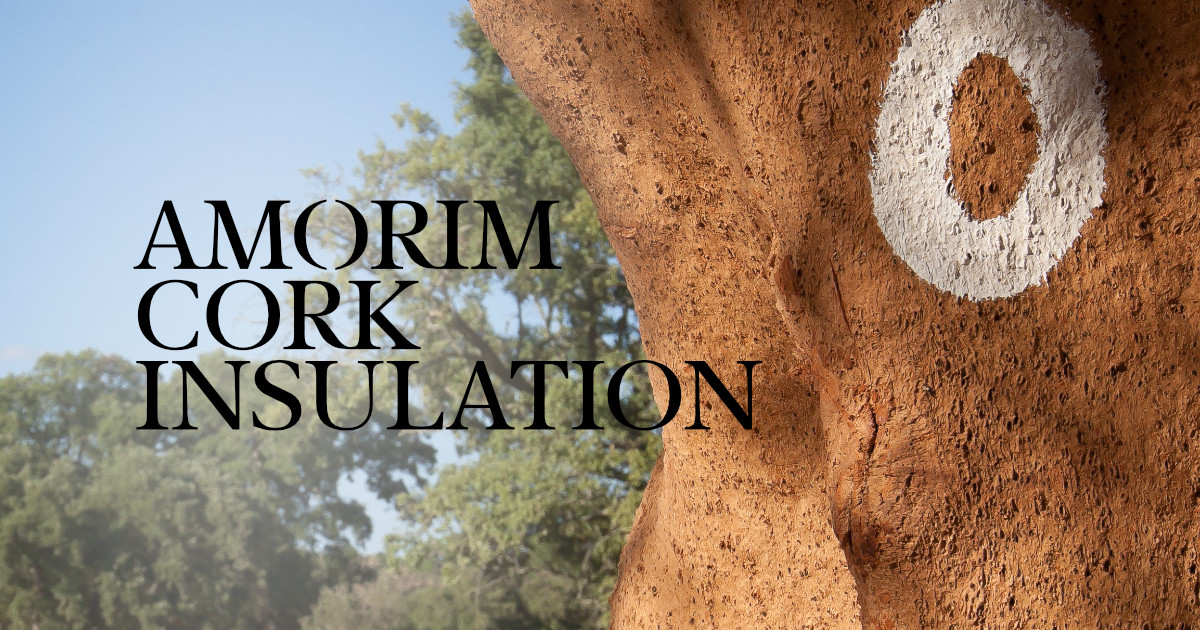
Amorim Cork Insulation
Tableros de corcho expandido (ICB) 100% natural de Portugal, sin aditivos sintéticos.

Amorim Cork Research & Services
División de I+D, ensayos y servicios sobre corcho de Corticeira Amorim (origen: Labcork).

Amorim Florestal España
Filial de Corticeira Amorim en Badajoz: aprovisionamiento y preparación primaria del corcho.

Barnacork
Distribuidor barcelonés de corcho con resistencia al fuego Euroclase B-s2,d0.

Corticeira Jelinek Portugal
Empresa portuguesa especializada en corcho natural y productos derivados.

Inexcor Industria Corchera
Corcho natural de Extremadura especializado en aislamiento térmico y acústico.

La Sureda Cork
Aglomerados y granulados de corcho para aislamiento desde Figueres (Girona).

Lopez Panel
Panel sándwich de cubierta con núcleo de corcho, fabricado en Cantabria.
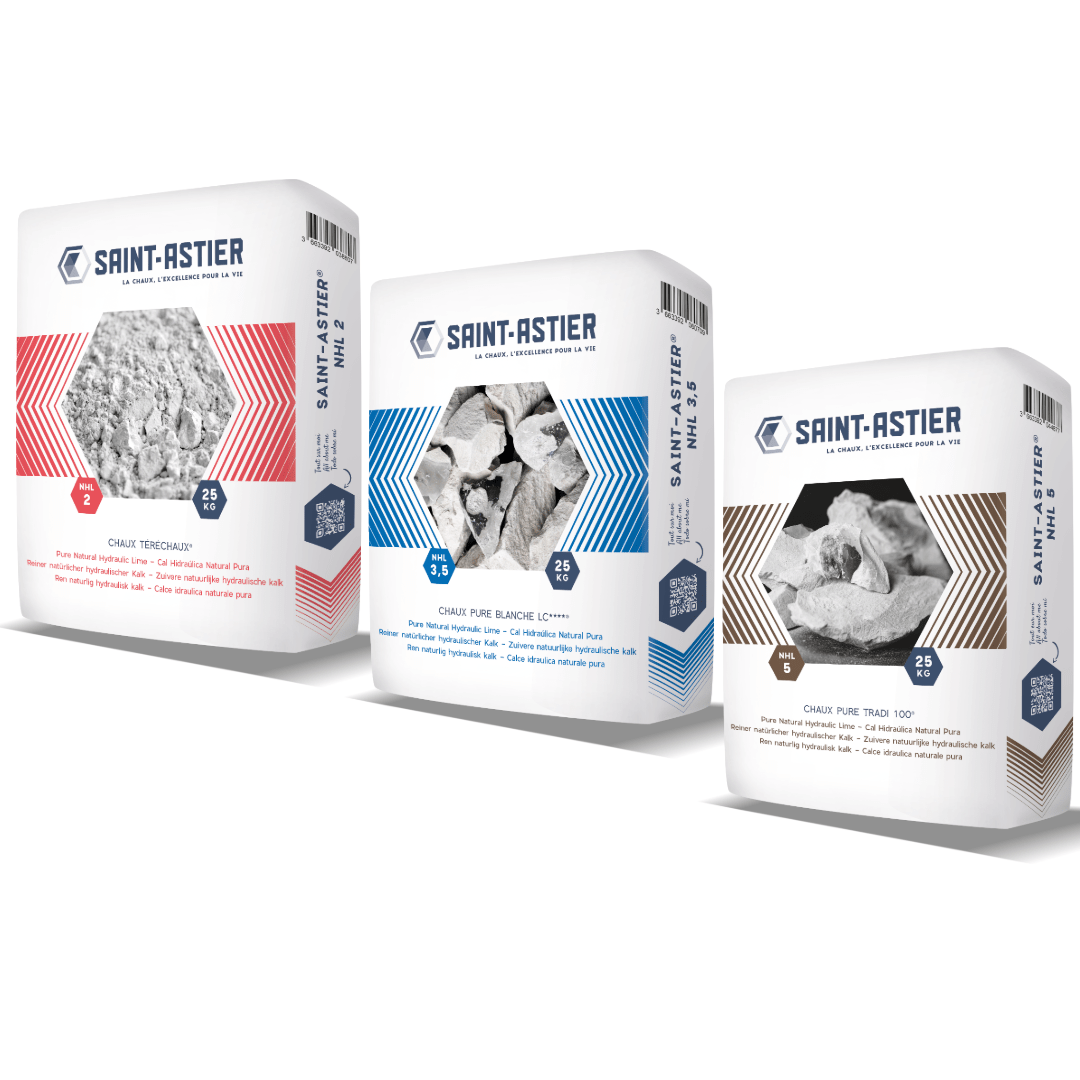
Saint Astier
Cal hidráulica natural NHL producida en Francia desde 1851 (grados NHL 2/3.5/5) + nueva gama de morteros con cáñamo, corcho y vidrio reciclado.

Sofalca
Aglomerado de corcho expandido (ICB) portugués: aislamiento natural sin adhesivos añadidos.

Vipeq
Corcho proyectado (spray) con resinas base agua, especialista en fachadas y aislamiento, Navarra.